
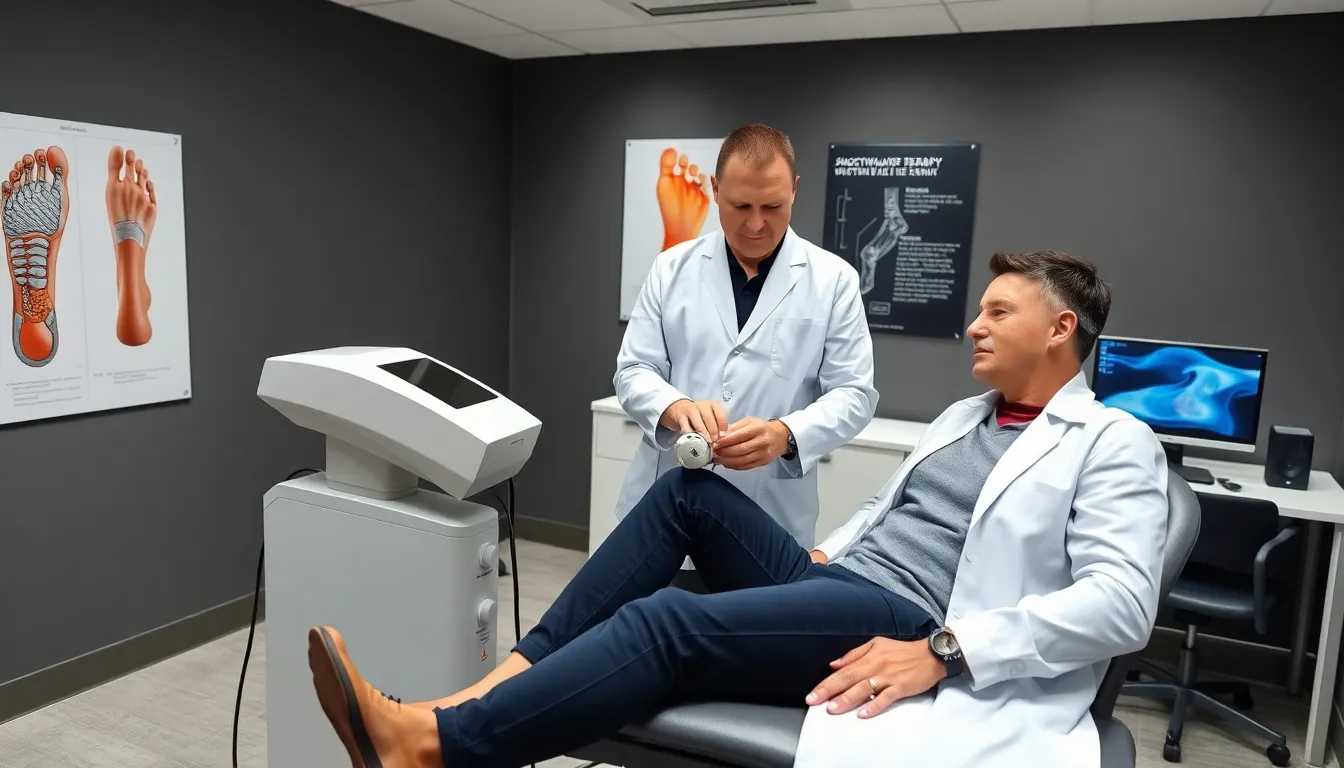
Heel pain can sideline even the most active people—athletes training for their next marathon, nurses on long shifts, or parents chasing after busy toddlers. For many in Sydney living with heel pain that resists rest, ice, or standard treatments, shockwave therapy has become a trusted solution. This article gives practical, plain-language answers about this modern treatment: what sets it apart, who benefits most, and what to expect from Sydney’s top clinics, including Sydney Heel Pain. If you’re looking for reliable heel pain relief that actually gets you back on your feet, read on for everything you need to know.
Key Takeaways
- Shockwave therapy provides effective, non-invasive heel pain relief, especially for chronic conditions like plantar fasciitis and Achilles tendinopathy.
- There are two main types of shockwave therapy—radial for surface-level pain and focused for deeper, persistent issues—chosen based on diagnosis and patient needs.
- Sydney Heel Pain and other leading clinics recommend thorough biomechanical assessment before starting shockwave therapy for best results.
- Choosing a reputable clinic with experienced practitioners, modern equipment, and transparent care plans is crucial for safe and effective shockwave therapy.
- Benefits of shockwave therapy include fast sessions, minimal side effects, no surgery or needles, and quick return to daily activities.
- Consistent follow-up and adhering to aftercare instructions are essential to maximise recovery and long-term heel pain relief.
Breaking Down Shockwave Therapy: What Makes It Different
Shockwave therapy isn’t just another massage or heat pack. It relies on focused sound waves delivered to targeted areas of the heel. These high-energy acoustic waves penetrate deep tissue, triggering the body’s natural healing response. Blood flow increases, inflammation drops, and stubborn scar tissue starts to break down, a key difference from treatments that only mask symptoms. This approach is especially effective for chronic plantar fasciitis, Achilles tendinopathy, and other soft-tissue injuries. Unlike injections or surgery, shockwave therapy is non-invasive, so there’s no need for anaesthesia, no surgical wounds, and little downtime. That means most patients can walk out of the clinic after each session and carry on with their day.
Types of Shockwave Therapy
There are two main types of shockwave therapy offered by clinics in Sydney:
- Radial Shockwave Therapy (RSWT): This method produces lower-energy pressure waves that spread out over a larger area. It is most commonly used for plantar fasciitis and broad soft-tissue injuries. RSWT devices are portable and suitable for treating surface-level heel pain.
- Focused Shockwave Therapy (FSWT): This approach uses higher-energy, concentrated waves sent directly to the affected tissue. Focused therapy is particularly useful for deep-seated pain or chronic conditions. It requires more specialised equipment and training.
Sydney Heel Pain and leading clinics tend to use both types, depending on the injury and the patient’s goals.
The Tangible Benefits and Important Considerations
Patients turn to shockwave therapy for several concrete reasons:
- Proven heel pain relief: Studies suggest a significant improvement in most chronic plantar fasciitis and Achilles tendinopathy cases, sometimes where rest, orthotics, or stretching have failed.
- No surgery required: No incisions, stitches, or lengthy time off your feet.
- Fast sessions: Most treatments last less than 20 minutes.
- Minimal side effects: Some patients may experience temporary soreness or minor bruising, but serious reactions are rare.
Important considerations:
- Realistic expectations are crucial. Shockwave therapy takes a few sessions to work, instant results are very rare.
- Not suitable for everyone, including children, pregnant women, or those with certain medical conditions (such as blood clotting disorders). A full assessment at a clinic like Sydney Heel Pain helps determine suitability.
How to Choose the Right Shockwave Therapy Option
Choosing between radial and focused therapy should be based on the diagnosis, pain location, and medical history. For heel pain caused by plantar fasciitis, many Sydney clinics recommend starting with radial shockwave therapy, unless deeper tissue involvement is suspected. Clinics like Sydney Heel Pain conduct a thorough biomechanical assessment first, a detailed examination of your walking and standing posture, foot mechanics, and previous injuries, to determine which approach offers the best results. If you’re not sure, always ask the treating podiatrist about their experience and the equipment they use. Technology varies between clinics, and the right choice can make a difference.
How Long Does Shockwave Therapy Take?
Shockwave therapy for heel pain typically involves a short series of appointments. Each session lasts 10–20 minutes. Most people need around three to six treatments, scheduled one week apart. Some patients at Sydney Heel Pain clinic report improvement after just two or three visits, but the full effect, especially the body’s long-term healing, may not be felt until a few weeks after the final session. There’s no enforced rest after each session, so most patients return to normal activities right away, though high-impact exercise may be limited if recommended.
Top 5 Shockwave Therapy Clinics in Sydney 2025
1. Sydney Heel Pain Clinic
Renowned for its focus on heel and arch pain, Sydney Heel Pain is led by expert podiatrists who use advanced diagnostic tools and custom orthotic solutions alongside shockwave therapy. Located in central Sydney, the clinic is known for effective, evidence-based protocols, particularly for athletes and persistent cases.
2. Sydney Physio Clinic
Sydney Physio Clinic brings together physiotherapists and sports medicine professionals using both radial and focused shockwave devices. They are experienced in managing sports injuries, tendinopathy, and post-surgical pain, prioritising clear treatment plans.
3. Movement Laboratory
This inner-west Sydney clinic combines physiotherapy, movement analysis, and shockwave technology. Known for their holistic approach, the team addresses ankle, knee, and hip biomechanics alongside heel pain.
4. Sydney Allied Health Group
Located in several suburbs, Sydney Allied Health Group offers multidisciplinary care, including podiatry and physiotherapy. Their shockwave therapy is supported by rehabilitation programs and orthotic fitting.
5. Urban Physiotherapy North Sydney
Urban Physiotherapy stands out for its experienced practitioners and modern facilities. They use shockwave alongside other evidence-based treatments tailored for office workers, athletes, and weekend warriors.
What Should I Look for in a Shockwave Therapy Clinic?
The best shockwave therapy outcomes depend on the skill of the practitioner and the quality of the clinic. Here are key things to check before you book:
- Qualified practitioners: Look for certified podiatrists or physiotherapists with training in shockwave and heel pain management.
- Modern equipment: Ask about the type and maintenance of shockwave devices, reliable clinics use up-to-date machines, well maintained for safety and results.
- Comprehensive assessment: Top clinics, including Sydney Heel Pain, always begin with a biomechanical assessment, not just a quick scan or a generic questionnaire.
- Transparent fees and clear aftercare: Reputable clinics explain costs and outline realistic expectations, including recovery advice after treatment.
How to Choose Shockwave Therapy: Key Factors and Red Flags
Not all clinics are created equal. When considering shockwave therapy, look for:
- Tailored treatment plans: Beware of clinics that provide a one-size-fits-all package. Your heel pain should be properly assessed and the plan explained in detail.
- No ‘miracle cures’: Shockwave therapy is highly effective for many, but it’s not instant. Watch for unrealistic promises or clinics that pressure you into long, prepaid contracts.
- Integrated care: Clinics that combine shockwave treatments with biomechanical assessments, custom orthotics, or exercise programs tend to get the best and most lasting results.
Red flags:
- Minimal or no assessment beforehand
- Vague about clinician qualifications
- Refuse to discuss equipment brands or protocols
If you’re in doubt, Sydney Heel Pain’s open, transparent approach is a benchmark for safe and effective care.
When Should I Consider Shockwave Therapy?
It’s best to consider shockwave therapy if:
- You have heel pain that hasn’t improved after at least six weeks of conventional treatments like rest, ice, stretching, orthotics, or physiotherapy.
- Your work or sport is affected, and pain limits your day-to-day function.
- You prefer to avoid needles or surgery, and your podiatrist identifies chronic plantar fasciitis or similar tendon injuries.
Heel pain that lasts more than two months is often referred quickly for shockwave at clinics like Sydney Heel Pain, as early intervention can speed up recovery and restore mobility.
What Are the Benefits of Shockwave Therapy?
The main benefits include:
- Faster pain reduction compared to some standard therapies
- Stimulates natural tissue healing without drugs or injections
- Improves circulation in the injured area
- Minimal risk of infection or complications
- Suitable for busy people: sessions are quick, and recovery time is short
For many patients, especially those under the care of Sydney Heel Pain, these benefits allow a return to sport, work, and daily life with less interruption.
Latest Trends and Technology in Shockwave Therapy
Modern shockwave therapy has advanced swiftly in recent years. High-precision focused devices, greater adjustability of energy settings, and new research-backed protocols mean clinics can now tailor treatments for individual needs. Clinics like Sydney Heel Pain, for example, have adopted software-guided delivery systems and combine shockwave therapy with personalised exercise regimens. There’s also a growing emphasis on combining assessment tools, like 3D gait analysis or pressure mapping, to pinpoint the source of the pain and monitor progress. Patients in Sydney now benefit from care that is not only evidence-based, but also at the leading edge of podiatric technology.
Common Mistakes to Avoid During Shockwave Therapy
- Skipping the assessment: Rushing into therapy without a detailed biomechanical exam can result in poor outcomes. Always start with a comprehensive diagnosis.
- Ignoring aftercare instructions: Post-session care, including gentle stretching or short-term activity modification, is vital. Sydney Heel Pain always provides clear instructions.
- Missing scheduled sessions: Irregular appointments can delay results. Stick to the recommended plan for the best outcome.
- Expecting instant results: Shockwave therapy stimulates healing, but tissues take time to rebuild. Trust the process.
- Not following up: Good clinics encourage a review after the treatment series to assess progress and adjust as needed.
Frequently Asked Questions about Shockwave Therapy in Sydney
What is shockwave therapy and how does it help with heel pain?
Shockwave therapy uses focused acoustic waves to stimulate healing in deep tissues of the heel. It increases blood flow, reduces inflammation, and breaks down scar tissue, offering effective relief for chronic conditions like plantar fasciitis and Achilles tendinopathy without surgery or invasive procedures.
Who is an ideal candidate for shockwave therapy in Sydney?
Shockwave therapy is best suited for adults suffering from persistent heel pain that hasn’t improved after six weeks of rest, stretching, orthotics, or physiotherapy. It’s especially effective for athletes, active individuals, and those with chronic plantar fasciitis or tendon injuries.
What are the main types of shockwave therapy offered at Sydney clinics?
Sydney clinics typically provide two types of shockwave therapy: radial shockwave therapy, which treats broad surface injuries, and focused shockwave therapy, which targets deeper, chronic problems. The choice depends on your diagnosis, pain location, and medical history.
How long does a typical shockwave therapy session take, and how many are needed?
Each session lasts about 10–20 minutes. Most patients need 3 to 6 sessions, usually one week apart. While some experience relief after two or three visits, full benefits from shockwave therapy can take a few weeks after the final treatment.
Are there risks or side effects with shockwave therapy for heel pain?
Shockwave therapy is generally safe, with minimal side effects such as temporary soreness or mild bruising. Serious reactions are rare. Children, pregnant women, and people with certain medical conditions, like blood clotting disorders, should consult their clinic to check suitability.
Can shockwave therapy be used for conditions other than heel pain?
Yes, shockwave therapy can also treat a variety of soft tissue disorders, such as tennis elbow, shoulder tendinopathy, and chronic knee injuries. However, protocols may vary, so assessment by a specialist is recommended to determine appropriateness for each condition.